
In the world of desserts, few delights evoke a sense of nostalgia and warmth quite like a well-made plum cake. With its rich history and diverse variations, plum cake holds a special place in culinary traditions around the globe. Join me as we explore the fascinating journey of plum cake, from its origins to its modern interpretations.
Origins and Cultural Significance
Plum cake’s roots can be traced back to ancient civilizations where dried fruits, including plums, were prized for their longevity and sweetness. Over time, these dried fruits became a staple in European baking, particularly during festive seasons and celebrations.
In many cultures, plum cake has symbolic significance. In England, it’s closely associated with Christmas, often enjoyed alongside a cup of mulled wine. In Germany, plum cake (known as Zwetschgenkuchen) is a popular dessert during plum season, showcasing the region’s bounty of fresh fruits.
Ingredients and Variations
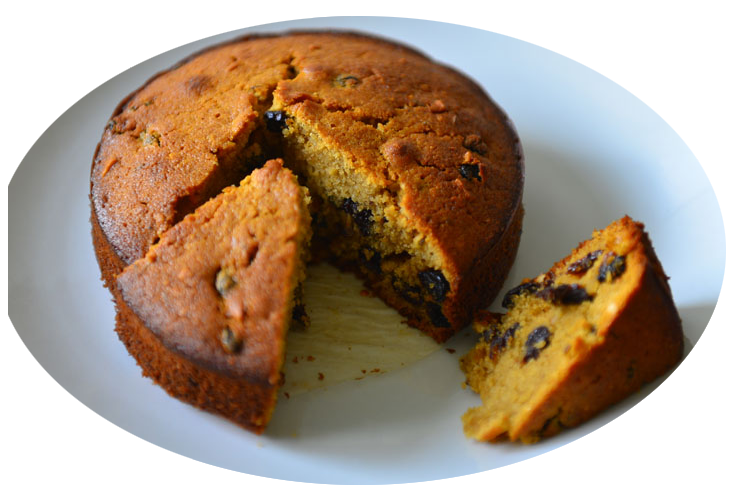
Traditionally, plum cake features a dense, moist texture enriched with dried fruits such as raisins, currants, and of course, plums. The cake batter may also include warm spices like cinnamon, nutmeg, and cloves, adding depth to its flavor profile. Some recipes incorporate nuts like almonds or walnuts for added texture.
Modern interpretations of plum cake have expanded its repertoire. From lighter sponge cakes dotted with fresh plums to decadent fruitcakes soaked in brandy, there’s a plum cake variation to suit every taste and occasion.
Crafting the Perfect Plum Cake
Creating a delicious plum cake requires a delicate balance of flavors and textures. The key lies in selecting quality ingredients and allowing ample time for the dried fruits to soak in spirits or fruit juice, enhancing their sweetness and imparting a delightful moistness to the cake.
For those eager to try their hand at baking, recipes range from simple tray bakes to elaborate layered cakes, each showcasing the unique characteristics of plum cake. Whether baked in a rustic farmhouse kitchen or a modern bakery, the essence of plum cake lies in its ability to evoke a sense of tradition and celebration.
Celebratory Delights
Plum cake’s association with festivities makes it a cherished treat for special occasions. Its robust flavors and dense texture make it a fitting dessert for weddings, birthdays, and family gatherings. Each slice tells a story of shared joy and culinary heritage, making it a centerpiece that brings people together.
Conclusion
In conclusion, plum cake embodies the essence of time-honored traditions and culinary craftsmanship. Its journey from ancient civilizations to modern-day celebrations reflects its enduring appeal and cultural significance. Whether enjoyed as a cozy winter indulgence or a summer delight, plum cake continues to captivate hearts and taste buds around the world.
Next time you savor a slice of plum cake, take a moment to appreciate its rich history and the craftsmanship that goes into each creation. Let its flavors transport you to a place where every bite is a celebration of tradition, warmth, and the simple pleasures of life.